Ultimate Health Tracker Showdown: Finger Pulse Oximeter vs. Samsung Galaxy Fit 3 (2024)
You’re a pro. You don’t have time for guesswork or gimmicks. When it comes to monitoring your health and performance, whether for training optimization, recovery, or simple peace of mind, you need data you can trust from tools that fit your lifestyle. The market is flooded with options, from single-purpose medical-grade devices to multi-functional smart wearables. Choosing the wrong one means wasted money and, more importantly, unreliable metrics.
Today, we’re cutting through the noise. We’re putting a focused, no-nonsense pulse oximeter against a versatile fitness tracker heavyweight. We’ll break down the Oxygen Meter Finger Monitor and the Samsung Galaxy FIT 3—not as a vague list, but as a sharp comparison tailored for someone who values precision, efficiency, and clear return on investment.
At-a-Glance Comparison: Oximeter vs. Smart Tracker
Get oriented fast. This table lays out the fundamental differences to help you pinpoint which column aligns with your primary goal.
| Feature | Oxygen Meter Finger Monitor | Samsung Galaxy FIT 3 (2024) |
|---|---|---|
| Primary Purpose | Medical-grade SpO2 & Pulse Rate | Comprehensive Fitness & Activity Tracking |
| Price | $23.99 | $59.84 |
| Rating | 4.6 Stars (95 Reviews) | 4.4 Stars (2,662 Reviews) |
| Key Metric | Blood Oxygen Saturation (SpO2) | Heart Rate, Sleep, Steps, 100+ Exercise Modes |
| Battery Life | Low Power Consumption (Batteries) | Up to 13 Days |
| Display | LED Readout | 1.6″ Vibrant AMOLED |
| Best For | Specific, on-demand vital sign checks | All-day wear, holistic health overview, motivation |
| Review Profile | Newer product with promising early ratings | Established market bestseller |
Deep Dive: Product Breakdowns & Real-World Analysis
Let’s move beyond the specs sheet. Here’s what it’s actually like to use each device, who it serves best, and where it might fall short.
1. Oxygen Meter Finger Monitor: The Precision Specialist
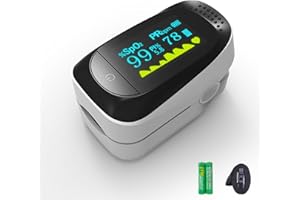
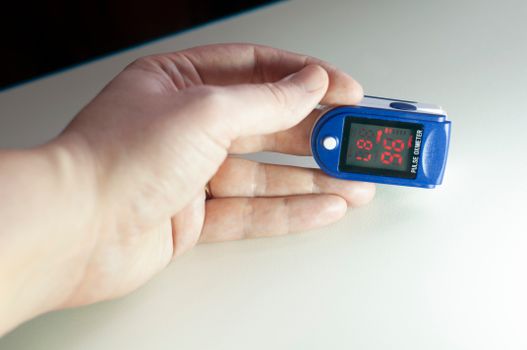
This device is a surgeon’s scalpel in a world of Swiss Army knives. It does one thing—measure blood oxygen (SpO2) and pulse rate—and is built for clinical accuracy in a portable, user-friendly package. With a 4.6-star rating from nearly 100 early adopters, it’s proving to be a reliable specialist.
Who This Is For
Athletes monitoring recovery at high altitude, individuals with respiratory conditions needing periodic checks, professionals in wellness fields (like trainers or yoga instructors) wanting a quick client vitals tool, or anyone who wants a dedicated, no-fuss device for these two specific metrics.
👍 The Pros:
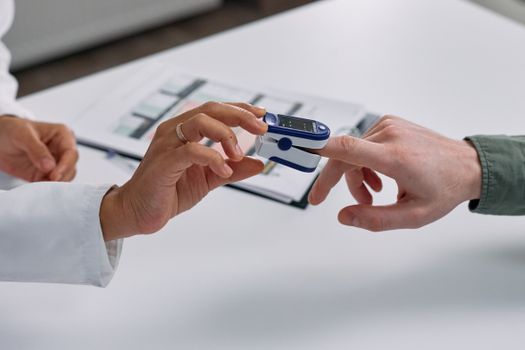
- Unmatched Focus & Simplicity: Turn it on, clip it on, get a reading in seconds. No pairing, no apps, no distractions.
- Portable & Discrete: Fits in a pocket, jacket, or gym bag. The “high-grade shape” and included accessories (like a lanyard) make it easy to carry anywhere.
- Cost-Effective Accuracy: At under $25, it provides access to vital data often requiring a doctor’s visit or a much more expensive wearable.
- Low Power Consumption: Runs on standard batteries, so you’re never caught with a dead device when you need it.
👎 The Cons:
- Single-Use Data Point: It provides a snapshot, not a trend. You get no context on how your SpO2 fluctuates throughout the day or during sleep.
- No Connectivity: Data lives on the device’s display. You must manually record readings if you want to track over time.
- Requires Active Use: It’s not an “always-on” monitor. You have to remember to use it.
2. Samsung Galaxy FIT 3: The Holistic Health Coach
![Samsung Galaxy FIT 3 [2024] 1.6 AMOLED Display | 13 Days Battery Life | 100+ Watchfaces | 100+ Exercise Modes | CAD Version & Warranty - (Black)](https://images-na.ssl-images-amazon.com/images/I/61K2qby-3oL._AC_UL300_SR300,200_.jpg)
This is the established bestseller for a reason. With over 2,600 reviews, the Galaxy FIT 3 represents community-validated trust. It’s not just a tracker; it’s a 24/7 health ecosystem on your wrist. The 2024 update brings a stunning 1.6″ AMOLED display and a staggering 13-day battery life, making it a powerhouse for the proactive professional.
Who This Is For
The data-driven individual who wants a complete picture of their health. The fitness enthusiast who logs specific workouts. The busy professional tracking sleep quality and stress. Anyone who prefers automated, continuous monitoring and loves actionable insights via a smartphone app.
👍 The Pros:
- Comprehensive, Automatic Tracking: Continuously monitors heart rate, sleep stages, stress, and steps. It builds a rich, longitudinal health profile without you lifting a finger.
- Massive Battery Life: 13 days means you wear it more and charge it less—a huge win for consistency and convenience.
- Motivational Ecosystem: 100+ exercise modes and 100+ watch faces offer incredible customization. The vibrant display shows real-time stats during workouts, pushing your performance.
- Proven Track Record: Its “established bestseller” status and high review volume signal reliability, good software support, and a lower risk of buyer’s remorse.
👎 The Cons:
- Indirect SpO2 Measurement: While it may measure blood oxygen, it’s typically for sleep tracking and less suitable for immediate, medical-grade spot checks compared to a dedicated oximeter.
- Higher Initial Investment: At over $59, it’s a larger upfront commitment.
- Always-On Nature: Requires wearing a device consistently to gain its full value, which isn’t for everyone.
Which Is Best For You? Making the Pro Decision
This isn’t about which product is “better”—it’s about which tool is right for your specific job. Let’s match the device to the mission.
🎯 Choose the Oxygen Meter Finger Monitor if:
- Your sole or primary need is accurate, quick readings of SpO2 and pulse.
- You value simplicity, portability, and a one-time low cost.
- You need a device for specific, periodic checks (e.g., post-workout, during travel, for professional use) rather than all-day wear.
- You prefer a dedicated tool without the distraction of notifications or apps.
📊 Choose the Samsung Galaxy FIT 3 if:
- You want a holistic, automated view of your health (sleep, all-day heart rate, activity).
- Fitness tracking and workout logging are central to your routine.
- You appreciate long-term trend data and insights derived from continuous monitoring.
- The convenience of weeks of battery life and a vibrant, customizable display matters to you.
- You trust community-validated products with a proven history of performance.
Final Verdict & Your Next Step
For the professional seeking laser-focused, clinical-grade data on demand, the Oxygen Meter Finger Monitor is an exceptional, cost-effective tool. It’s the definition of “right tool for the job.”
For the professional committed to optimizing their overall lifestyle, fitness, and recovery through constant, connected data, the Samsung Galaxy FIT 3 is the undisputed, best-selling workhorse that delivers immense value.
Find your perfect fit—act now! Click the links above to make your choice and invest in the health intelligence you deserve.
Related Posts