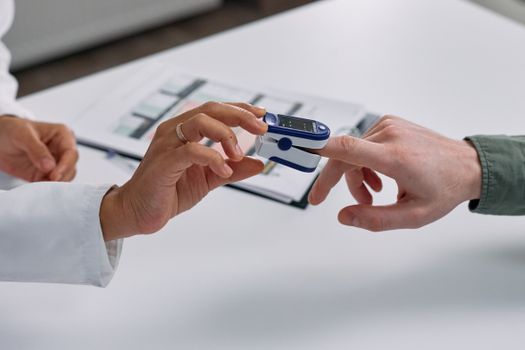
The Best Health Monitor for Beginners: Smart Watch vs. Dedicated Pulse Oximeter
Are you new to health monitoring and unsure where to start? You want to track your wellness but don’t need a doctor’s lab. Navigating the world of fitness trackers and health gadgets can be confusing. Should you get a do-it-all smartwatch or a simple, dedicated device? This guide cuts through the noise, comparing two excellent beginner-friendly options: a feature-packed smartwatch and a straightforward finger-tip pulse oximeter. We’ll break down the pros, cons, and ideal users for each, so you can make a confident first step towards better health awareness.


Smartwatch vs. Pulse Oximeter: At a Glance
To help you see the big picture, here’s a quick comparison of our two featured products.
| Feature | Fitness Tracker Smartwatch | Finger Pulse Oximeter |
|---|---|---|
| Primary Use | All-day activity, sleep, & heart rate tracking | Spot-checking blood oxygen & pulse rate |
| Key Metrics | Steps, Heart Rate (24/7), Sleep, Blood Oxygen (SpO2), Calories | Blood Oxygen (SpO2), Pulse Rate |
| Wearability | Worn on wrist all day | Used momentarily on finger |
| Best For | Holistic health overview & motivation | Specific, clinical-grade spot checks |
| Price | Check Current Price | $23.99 |
| Rating | 4.6 stars (208+ reviews) | 4.6 stars (95+ reviews) |
Product 1: The All-Day Wellness Companion

Fitness Tracker with 24/7 Heart Rate & AMOLED Screen
Think of this as your friendly, wrist-bound health coach. This well-reviewed smartwatch has earned the trust of over 200 users for good reason. It’s designed to give you a continuous, easy-to-understand picture of your daily health without any complicated setup.
Why it’s a great start for beginners: It automates the tracking process. Just wear it, and it quietly gathers data on your heart rate, sleep stages, and blood oxygen levels. The vibrant AMOLED screen makes glancing at your stats as simple as checking the time. For someone new to health data, this passive collection is invaluable—it turns abstract health goals into tangible, daily numbers.
Key Strengths
- 24/7 Monitoring: Tracks your heart rate and sleep automatically, painting a full picture of your daily rhythms.
- Crisp AMOLED Display: The colorful, bright screen is easy to read indoors and out.
- IP68 Waterproof: You can wear it in the shower, rain, or during a sweaty workout without worry.
- Motivational Nudges: Step counters and activity reminders are simple tools to build healthier habits.
Points to Consider
- Battery Life: Requires regular charging (typically every few days to a week).
- Data Overload: The wealth of information can be overwhelming if you don’t know what to focus on initially.
Product 2: The Specialist for Spot Checks
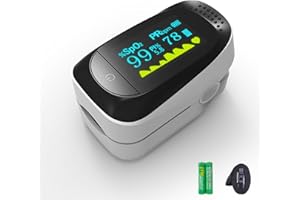
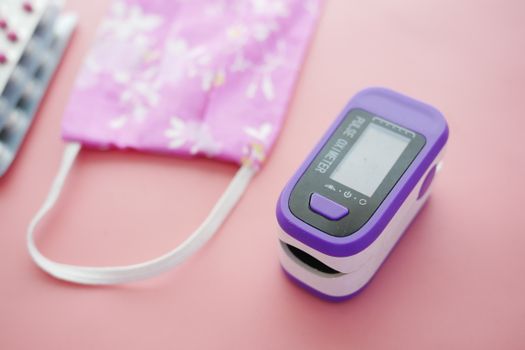
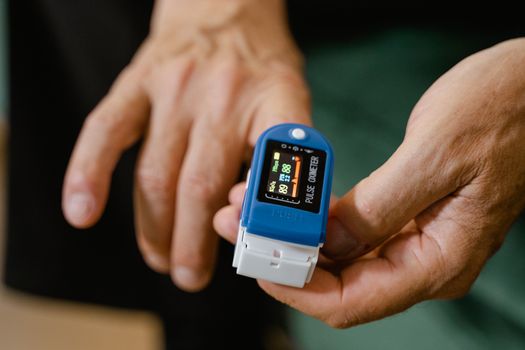
Oxygen Meter Finger Pulse Oximeter
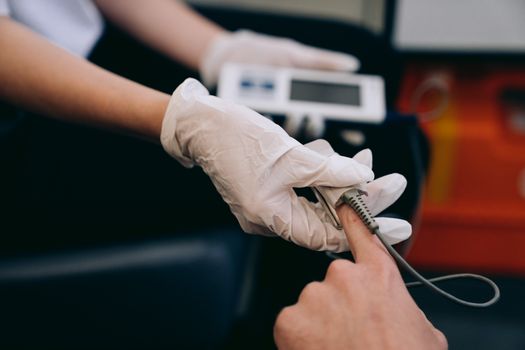
Sometimes, you don’t need a full story—you just need a precise answer. This finger pulse oximeter is a newer product with promising early ratings, praised by its early users for its simplicity and accuracy. It does one job exceptionally well: giving you a quick, reliable read on your blood oxygen saturation (SpO2) and pulse rate in seconds.
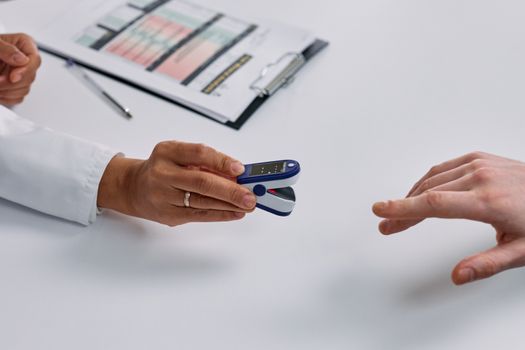
Why it’s a great start for beginners: Its learning curve is practically zero. Slip it on your finger, press the button, and get a clear numerical reading. There are no apps to sync, no screens to navigate. For beginners specifically interested in monitoring SpO2 (perhaps for wellness during travel, altitude adjustment, or general respiratory health awareness), this device offers clinical-grade simplicity at an accessible price.
Key Strengths
- Simplicity & Speed: Instant, easy-to-interpret results with no pairing required.
- Portability: Fits in a pocket or bag, ready for a quick check anytime, anywhere.
- Low Power Consumption: Runs on batteries for a long time, with no daily charging.
- Potentially Higher Accuracy: For spot-checking SpO2, a dedicated device can sometimes offer more consistent readings than a wrist-based sensor.
Points to Consider
- Single Function: It only measures SpO2 and pulse. It won’t track steps, sleep, or continuous heart rate.
- Manual Operation: Requires you to remember to use it; it doesn’t collect data automatically.
Which Health Monitor is Best for You?
Your perfect choice depends entirely on what you want to achieve. Here’s our tailored recommendation:
Choose the Fitness Tracker Smartwatch if:
- You want an overview of your daily health (activity, sleep, heart trends).
- You love the convenience of a wearable that works in the background.
- You are motivated by seeing data trends and daily goal completion.
- You need a device to nudge you to be more active and mindful of your sleep.
Choose the Finger Pulse Oximeter if:
- You have a specific interest in monitoring blood oxygen levels (e.g., for respiratory wellness, high-altitude activities, or general peace of mind).
- You value simplicity and immediate results over continuous data.
- You want a device the whole family can use easily.
- You prefer a one-time purchase without apps or charging cables cluttering your life.
Find Your Perfect Fit & Start Tracking Today
Embarking on your health tracking journey is a positive step, and the right tool makes all the difference. Whether you choose the comprehensive, always-on insight of the well-reviewed Fitness Tracker or the precise, straightforward feedback of the promising Pulse Oximeter, you’re investing in a clearer understanding of your well-being.
Don’t let indecision hold you back. Click the links below to see the latest prices, read real user experiences, and make your choice.
Ready to take the first step?
Find your perfect fit—act now!
Related Posts