Pulse Oximeter vs Fitness Tracker: A Pro’s Guide to Health Monitoring
You’re not just checking a box. You’re gathering data. Whether you’re a data-driven biohacker, an athlete fine-tuning recovery, or simply a professional who values actionable insights into your own physiology, the tools you choose matter.


Choosing Your Tool: Workflow, Accuracy, and Intent
Understanding the core difference isn’t just about features; it’s about workflow, accuracy, and intent. Do you need continuous, holistic lifestyle data, or do you require pinpoint, clinical-grade readings for specific metrics like blood oxygen?
The Key Question
Do you need continuous lifestyle data or pinpoint clinical readings?
Head-to-Head: Quick Comparison
| Product & Image | Key Features | Price | Rating & Reviews |
|---|---|---|---|
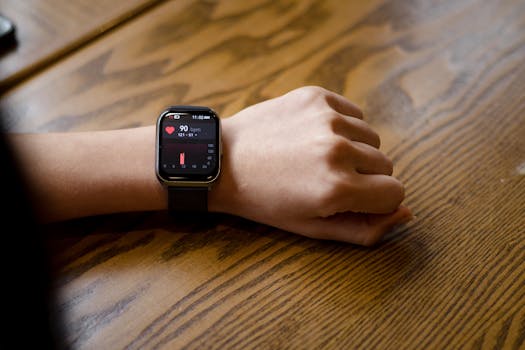
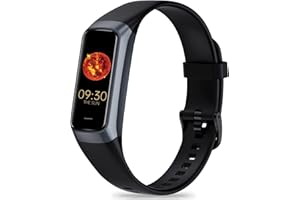 Fitness Tracker with 24/7 Monitoring |
|
$35.99 | 4.4 ★ (114 reviews) A well-reviewed, reliable all-rounder. |
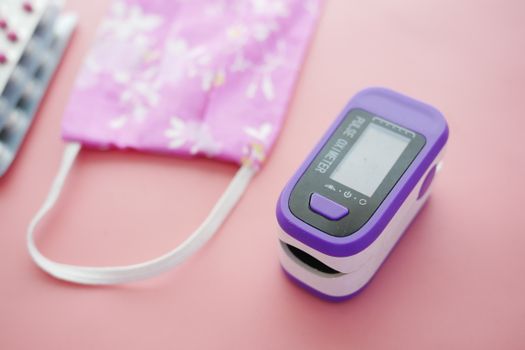
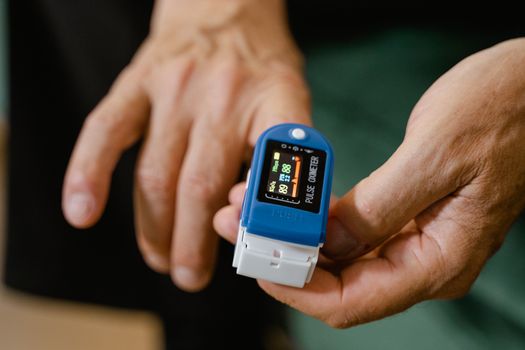
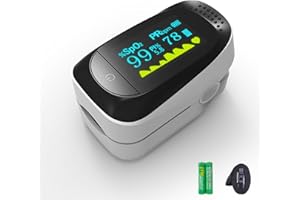 Finger Pulse Oximeter |
|
$23.99 | 4.6 ★ (95 reviews) A newer product with promising early ratings for accuracy and ease. |
The Fitness Tracker: Your 24/7 Health Dashboard
Think of this device as your personal health observatory. It’s not just a gadget; it’s a passive data-collection system that operates in the background of your life.
Why it stands out for the proactive pro: This fitness tracker has earned its stripes as a well-reviewed staple. With over 100 reviews, its reliability in providing continuous data is its main selling point. It’s for the person who wants to connect the dots: How does that poor night’s sleep correlate with afternoon fatigue and elevated resting heart rate? It automates the tracking of sleep stages, all-day heart rate, and even offers on-demand SpO2 and blood pressure readings. The waterproof design means it’s there during your workout, your shower, and your workday, building a comprehensive picture.
✅ Key Strengths
- Holistic Monitoring: Tracks activity, sleep, heart rate, and more in one device.
- Trend Analysis: Excellent for spotting long-term patterns in your health data.
- Convenience: Worn like a watch; no need to locate and operate a separate device for spot checks.
- Smart Features: Notifications keep you connected without pulling out your phone.
⚠️ Considerations
- Accuracy Nuance: While excellent for trends, wrist-based SpO2 and blood pressure readings are considered less clinically accurate than dedicated medical devices (like a finger oximeter). They are best for indicative tracking.
- Charging Required: Requires periodic charging, unlike the oximeter which runs on batteries for long periods.
Best For
The biohacker, the consistent athlete, the professional curious about their daily physiological trends, or anyone wanting a unified device for fitness and general wellness awareness.
The Finger Pulse Oximeter: Your Specialized Diagnostic Tool
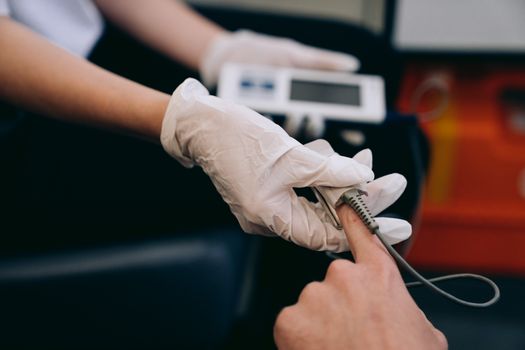
This is the scalpel to the fitness tracker’s Swiss Army knife. The Oxygen Meter Finger Monitor is a purpose-built device designed to do one or two things with a higher degree of accepted accuracy: measure peripheral blood oxygen saturation (SpO2) and pulse rate.
Why it demands attention: This unit represents the newer generation of accessible health tools, boasting promising early ratings that specifically praise its ease of use, clear display, and reliable readings. For a pro who values precision in specific metrics, this is significant. It’s the device you reach for when you need a quick, focused reading—perhaps after a high-intensity workout, during travel to high altitude, or when feeling under the weather and wanting to monitor key vitals.
✅ Key Strengths
- Focused Accuracy: Generally provides more accurate SpO2 and pulse readings than wrist-based trackers.
- Simplicity & Speed: Instant on, instant reading. No syncing or apps required for a basic check.
- Low Maintenance: Runs on replaceable batteries for months or years.
- Portability: Tiny, lightweight, and can be thrown in a gym bag, travel kit, or bedside drawer.
⚠️ Considerations
- Single-Point Data: Only gives you a snapshot at the moment of measurement. No continuous tracking or trend history unless you manually log it.
- No Additional Metrics: It does not track steps, sleep, calories, or notifications.
Best For
The professional who needs reliable, on-demand SpO2/pulse checks (athletes, frequent travelers, health-conscious individuals), someone supplementing tracker data with more accurate spot-checks, or anyone wanting a simple, no-fuss diagnostic tool at home.
The Pro’s Decision Matrix: Which Tool is Right for Your Job?
Your choice isn’t about which product is “better”—it’s about which tool is right for the job.
Choose the Fitness Tracker
For Trend Analysis & Lifestyle.
- Your goal is comprehensive trend analysis.
- You want lifestyle integration.
- You prefer passive data collection on sleep, activity, and heart rate.
- You appreciate an all-in-one wearable.
Choose the Finger Pulse Oximeter
For Spot-Check Accuracy.
- You require high-confidence, spot-check accuracy for SpO2/pulse.
- Your need is acute and specific (post-workout, travel, wellness).
- You value simplicity and clinical-style design.
- You don’t need activity tracking.
The Power User Combo
The Ultimate Data Setup.
For the ultimate data-driven pro, use the fitness tracker for 24/7 trend data and the oximeter for periodic, high-accuracy calibration. This two-device approach gives you both the forest and the trees.
Final Verdict: Your Health, Your Data, Your Choice
Both of these devices offer exceptional value, translating advanced health metrics into accessible, actionable tools. The Fitness Tracker is your always-on health dashboard, building a story over time. The Finger Pulse Oximeter is your precise diagnostic check, offering clarity in a moment.
The data is waiting. The only question is how you want to collect it.
Ready to choose? Click below to see the latest pricing, delve into user reviews, and select the tool that aligns with your professional standards.
Continue Your Research