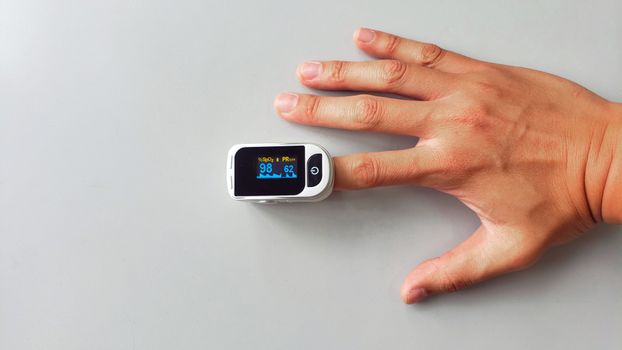
DEVMO Pulse Sensor Review: Arduino Heart Rate Module for Makers
Looking for a budget-friendly heart rate sensor to integrate into your next Arduino or Raspberry Pi project? The DEVMO Pulse Sensor offers a simple, open-source solution for makers, educators, and prototyping enthusiasts. This detailed review breaks down what this module does, who it’s for, and whether it’s the right choice for your tech toolkit.
What is the DEVMO Pulse Sensor?
At its core, the DEVMO Pulse Sensor is a photoplethysmogram (PPG) sensor. In simpler terms, it uses a light source and a photodetector to measure blood volume changes in your microvascular tissue—typically your fingertip or earlobe. It outputs a simple analog signal that can be read by an Arduino’s analog pin, allowing you to calculate heart rate (BPM) and even observe heart rate variability (HRV) with the right code.
This isn’t a polished consumer fitness tracker. It’s a component for builders. Its value lies in its hackability, educational potential, and low cost of entry into biometric sensing.
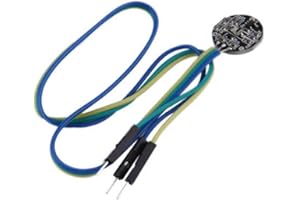
Quick Snapshot: DEVMO Pulse Sensor
| Product Name | DEVMO Pulse Sensor Heart Rate Sensor Monitor |
| Primary Use | Arduino/Raspberry Pi Heart Rate Prototyping |
| Price | $19.99 |
| Amazon Rating | 3.2 out of 5 stars (19 reviews) |
| Review Tier | New Product |
| Best For | Makers, students, hobbyists prototyping heart-rate applications. |
In-Depth Review: Strengths and Considerations
As a new product with a modest number of reviews, it’s important to set realistic expectations. This sensor fills a specific niche. Here’s a balanced look.
Why the DEVMO Pulse Sensor is an Intriguing Option
The Pro-Maker Angle: If you’re deep into Arduino projects, the appeal is immediate. It’s a straightforward component that plugs into your existing workflow. The open-source nature means a wealth of community code, tutorials, and project examples are available (often for the original “PulseSensor” design it emulates). You’re not just buying a sensor; you’re buying into a ecosystem of maker knowledge.
Educational Powerhouse: For teachers or students, it’s a fantastic tool to learn about biomedical engineering, signal processing, and analog sensor interfacing. Visualizing your own heartbeat in real-time on a serial plotter is a compelling demo.
Cost-Effective Prototyping: At around $20, it’s one of the most affordable ways to add heart-rate sensing to a prototype. Before investing in a more expensive, integrated system, you can use this to validate concepts and build proof-of-technology demos.
What to Keep in Mind
The 3.2-star rating reflects the challenges inherent to a bare-bones component. It requires technical skill and patience. You are responsible for writing/adapting code, managing signal noise, and providing a stable physical interface. It’s not plug-and-play like a consumer chest strap.
Accuracy vs. Medical Devices: This is a prototyping and educational tool. While it can track trends and beats-per-minute reasonably well under ideal conditions, it is not a medical-grade device. Do not rely on it for clinical diagnosis or high-stakes fitness training.
Build & Support Variance: As a newer, compatible module, build quality and documentation may vary slightly from the original branded version. Some users report needing to tweak code examples or fiddle with sensor placement more than expected.
Pros & Cons at a Glance
✅ Pros
- Extremely Affordable: Low-cost entry into heart-rate sensing.
- Great for Learning: Excellent educational resource for coding and sensor fundamentals.
- Highly Hackable: Open-source code and community support empower customization.
- Simple Interface: Easy to connect to Arduino analog pin (3.3V or 5V).
❌ Cons
- Requires Technical Effort: Not ready-to-use; demands coding and signal processing work.
- Accuracy Limitations: Best for trends and BPM, not clinical-grade measurement.
- New Product Status: Limited long-term reliability data and user reviews.
- Noise Sensitive: Readings can be affected by motion and ambient light.
Ready to experiment with this maker-focused sensor?
Also Consider: Alternative Heart Rate Monitors
The DEVMO sensor is perfect for a specific, technical audience. If your needs are different—like fitness training, reliable daily monitoring, or a more finished product—consider these highly-rated alternatives.
| Product | Price | Rating | Review Tier | Key Feature | Best For |
|---|---|---|---|---|---|
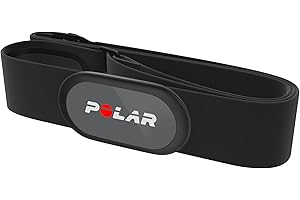 |
$106.77 | 4.1 ★ (1030+ reviews) | Established Bestseller | Gold-standard chest strap accuracy, Bluetooth/ANT+. | Serious athletes & cyclists wanting industry-leading reliability. |
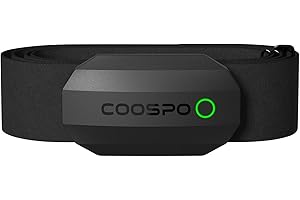 |
$42.99 | 3.9 ★ (966+ reviews) | Established Bestseller | Dual Bluetooth & ANT+, IP67 waterproof, great value. | Budget-conscious fitness enthusiasts using apps like Peloton, Zwift, Strava. |
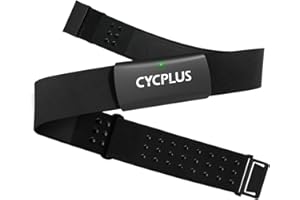 |
$40.77 | 4.2 ★ (134+ reviews) | Well-Reviewed | 500-hour battery, IPX7 waterproof, comfortable strap. | Cyclists and runners looking for a durable, long-lasting chest strap. |
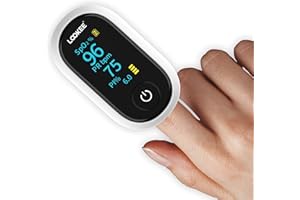 |
$29.97 | 4.4 ★ (85+ reviews) | Newer with Promising Ratings | Fingertip SpO2 & BPM, medical accuracy claims, Canadian brand. | General wellness tracking, checking blood oxygen levels easily. |
 |
$15.99 | 4.7 ★ (632+ reviews) | Established Bestseller | Protective hard case with pill box and carabiner. | Accessory: Owners of KardiaMobile EKG devices needing portable protection. |
Make Your Confident Choice
Your ideal heart rate monitor depends entirely on your goal.
- Choose the DEVMO Pulse Sensor if you are a maker, student, or hobbyist who gets excited about wiring up an Arduino, writing code to filter a sensor signal, and building a custom heart-rate project from the ground up. It’s a canvas for innovation.
- Look to the established bestsellers like the Polar H9 or COOSPO if you need reliable, accurate heart rate data for fitness training, cycling, or app integration with zero tinkering required.
Ready to Build or Train?
Whether you’re prototyping the next wearable tech or optimizing your workout data, the right tool makes all the difference. Evaluate your primary need—hands-on creation or ready-to-use performance—and select the sensor that matches your mission.
Learn more and make your pick today.
Or explore the full range of heart rate monitors on Amazon.
Related Posts