Beginner’s Guide to Heart Rate Monitors: 3 Top Picks for Accuracy & Ease
Finding the right heart rate monitor can be daunting for beginners. This guide cuts through the noise to review three standout devices, from medical-grade ECGs to simple fitness trackers, so you can choose the tool that fits your unique health or fitness goals with confidence.

Your Heart’s Data, Simplified
Stepping into the world of heart health and fitness monitoring is exciting, but the sheer number of devices is overwhelming. Should you get a simple pulse oximeter, a chest strap for runs, or a clinical-grade ECG? The right choice depends entirely on why you’re monitoring. Are you training for a 5K, managing a health condition, or just keeping a general wellness check?
As a beginner, you need clarity, not confusion. That’s why we’ve compared three highly-rated monitors across different use cases. We’ll break down what each one does best, who it’s perfect for, and what you can realistically expect from it. Our goal is to turn a complex decision into a simple, confident choice.
Quick Comparison: At a Glance
Here’s a snapshot of our top three picks to help you see the key differences immediately.
| Product & Image | Key Use Case | Avg. Rating | Review Count | Price | Best For |
|---|---|---|---|---|---|
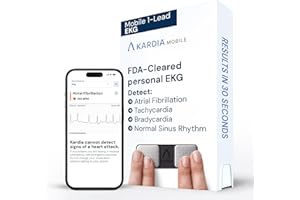
AliveCor KardiaMobile ECG Monitor
|
Medical-grade heart rhythm detection (like AFib) | 4.4 ★ | 79,000+ | Check Price | Those monitoring for specific heart rhythm concerns. |
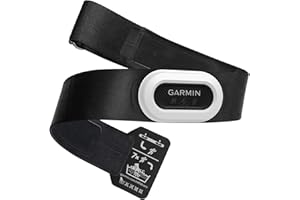
Garmin HRM-Pro Plus
|
High-accuracy fitness & running metrics | 4.6 ★ | 7,500+ | Check Price | Serious beginners in running, cycling, or cardio training. |
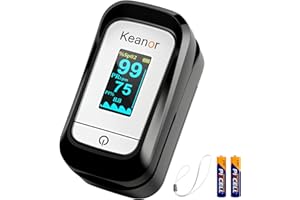
Keanor Pulse Oximeter
|
Basic heart rate & blood oxygen (SpO2) spot checks | 4.6 ★ | 120+ | Check Price | General wellness, quick checks, or budget-conscious users. |
1. AliveCor KardiaMobile ECG Monitor
The Peace-of-Mind Medical Device
This isn’t just a fitness gadget; it’s an FDA-cleared personal electrocardiogram (ECG). The AliveCor KardiaMobile is a testament to how accessible medical technology has become. With an “established bestseller” status backed by a staggering 79,000+ reviews, it’s the community-trusted choice for anyone advised to monitor their heart rhythm, particularly for conditions like Atrial Fibrillation (AFib). It provides a clinical-grade, single-lead ECG reading in just 30 seconds by simply placing your fingers on the metal pads.
Think of it as having a mini cardiology lab in your pocket. It detects six of the most common heart rhythms, and the report can be easily shared with your doctor. For beginners to heart health monitoring who have a specific reason to check their rhythm, this device offers unparalleled clarity and actionable data.
Why beginners might love it:
- Dead Simple to Use: No charging needed; it’s powered by your smartphone. The app guides you through every step.
- Instant, Understandable Results: The app clearly states “Normal” or “Possible AFib” and provides a shareable PDF.
- Clinically Validated: You’re not getting an approximation; you’re getting a medical-grade reading.
Points to consider:
- Specific Purpose: It’s for rhythm, not continuous heart rate during exercise or blood oxygen levels.
- Requires a Smartphone: You need the accompanying app to view and interpret results.
2. Garmin HRM-Pro Plus
The Athlete’s Precision Instrument
If you’re a beginner who is serious about improving running, cycling, or cardio fitness, wrist-based optical heart rate can be unreliable—especially during high-intensity intervals. Enter the Garmin HRM-Pro Plus. As another “established bestseller” with over 7,500 glowing reviews, this chest strap is the secret weapon for accurate training data.
It uses electrode contact with your skin, which is the most reliable method for capturing every heartbeat. But it goes beyond just heart rate (BPM). It transmits running dynamics like vertical oscillation, ground contact time, and stride length to compatible Garmin watches. This data is invaluable for a beginner looking to improve running form and efficiency safely.
Why beginners might love it:
- Unbeatable Accuracy: Chest straps are the gold standard for fitness heart rate monitoring. What you see is what’s truly happening.
- Actionable Fitness Insights: It doesn’t just track; it helps you train smarter by showing how you run, not just how fast.
- No-Slip, Comfortable Design: The new hypoallergenic strap is soft and stays securely in place during the sweatiest sessions.
Points to consider:
- Worn on Chest: Some may find a chest strap less convenient than a wrist-based device.
- Best with Garmin Ecosystem: While it connects via Bluetooth to phones, its advanced features shine when paired with a Garmin watch.
3. Keanor Pulse Oximeter
The Simple, Everyday Wellness Check
Not everyone needs clinical ECGs or running dynamics. Sometimes, you just want a quick, reliable check on your pulse and blood oxygen saturation (SpO2). The Keanor Pulse Oximeter is a “well-reviewed” newcomer that delivers exactly that with remarkable simplicity and value.
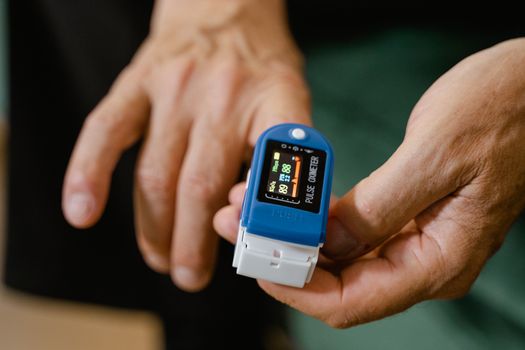
For under $25, you get a device that clips on your finger and displays your heart rate and SpO2 percentage in seconds on a clear, color screen. It’s perfect for general wellness monitoring, checking your vitals after a workout, or for use during activities like hiking at altitude. With 120+ reviews averaging 4.6 stars, users consistently praise its ease of use, readability, and portability.
Why beginners might love it:
- Extreme Ease & Affordability: The most straightforward device here. Clip it on, press a button, get a reading.
- Dual Data (HR & SpO2): Offers that extra bit of insight with blood oxygen levels, which is great for overall wellness.
- Truly Portable: Comes with a lanyard and case. Toss it in a bag or keep it in a drawer for occasional use.
Points to consider:
- Spot Checking Only: It’s not designed for continuous monitoring during activity.
- Less “Smart”: It stores data on the device but doesn’t provide deep analysis or app connectivity like the others.
Which Heart Rate Monitor is Best For You?
Your perfect match depends on your primary goal. Let’s break it down:
Choose the AliveCor KardiaMobile if:
- You or your doctor have specific concerns about heart rhythm (like palpitations or a history of AFib).
- You value clinical-grade data and the ability to easily share reports with a healthcare professional.
- It’s an investment in medical peace of mind.
Choose the Garmin HRM-Pro Plus if:
- You are diving into running, HIIT, cycling, or any cardio training where accurate heart rate zones are crucial for effective and safe workouts.
- You want the most precise data to track your fitness progress and possibly improve your form.
Choose the Keanor Pulse Oximeter if:
- You want a simple, affordable tool for occasional check-ins on your heart rate and blood oxygen.
- You’re not training for an athletic event but are generally health-conscious and want a reliable device on hand for quick vitals checks.
Your Confident Next Step
Starting your journey with heart rate monitoring is a proactive step toward better health, whether for fitness or wellness. Each of these devices excels in its niche, and all are beginner-friendly in their own way. The key is aligning the tool’s strengths with your personal “why.”
You have the info. Now, take the step.
Click on the links above to read the detailed user reviews, see the latest prices, and learn more and make your pick today. Your heart—and your health journey—will thank you for taking control.
Related Posts