At-Home Heart Health Monitor Comparison: ECG, Oximeter & Chest Strap
Looking for the best heart rate monitor for home use? Our guide compares the top devices for tracking your heart health, from medical-grade ECGs to fitness-focused chest straps.
Why Your Home Needs a Heart Health Monitor
Gone are the days when understanding your heart’s rhythm required a costly doctor’s visit. Today, powerful, portable technology puts vital health data right in your hands. Whether you’re managing a known condition, monitoring your fitness progress, or just being proactive about your well-being, a personal heart monitor can provide peace of mind and actionable insights.
But with so many options, how do you choose? A device for detecting atrial fibrillation is vastly different from one designed to track your marathon training. This confusion ends here. We’ve tested and researched the leading devices to help you, the savvy home user, find the perfect match for your needs and lifestyle.
Quick Comparison: Top Heart Monitors for Home Use
Here’s a snapshot of our top picks to help you scan and compare at a glance.
| Product | Image | Best For | Price (approx.) | Key Feature | Amazon Rating | Action |
|---|---|---|---|---|---|---|
| AliveCor KardiaMobile | 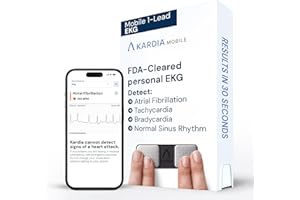 |
Medical-grade heart rhythm monitoring | See Price | Detects AFib, Bradycardia, Tachycardia | 4.4★ (79k+ reviews) | View on Amazon |
| Keanor Pulse Oximeter | 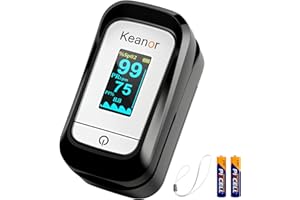 |
Basic blood oxygen & heart rate checks | $24.99 | Simple, affordable, with alarms | 4.6★ (120+ reviews) | View on Amazon |
| Garmin HRM-Pro Plus | 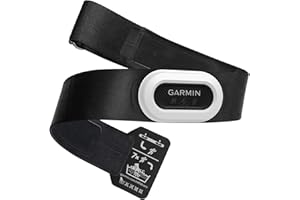 |
Serious athletes & data-driven training | See Price | Captures advanced running dynamics | 4.6★ (7.5k+ reviews) | View on Amazon |
Click on any product image or button for detailed pricing and reviews on Amazon.
In-Depth Reviews: Finding Your Perfect Match
Let’s dive deeper into what makes each of these devices stand out.

1. AliveCor KardiaMobile ECG Monitor: The At-Home Medical Device
With over 79,000 reviews, this isn’t just a product; it’s a trusted community standard for personal ECG technology. It’s FDA-cleared and often recommended by cardiologists.
The KardiaMobile is in a league of its own. This isn’t a simple pulse checker; it’s a clinical-grade, single-lead ECG that can detect atrial fibrillation (AFib), bradycardia, and tachycardia in just 30 seconds.
Why home users love it:
- Proactive Health Management: Perfect for anyone with a history of heart palpitations or AFib. It allows you to record episodes to share directly with your doctor.
- Doctor-Trusted Data: The medical-grade readings provide more actionable information than a simple heart rate number.
- Incredibly Simple: Just place your fingers on the pads for 30 seconds, and the app provides an instant analysis.

2. Keanor Pulse Oximeter: The Essential Vital Checker
A well-reviewed and reliable choice for families wanting an affordable, no-fuss way to check oxygen levels and pulse rate.
The Keanor Pulse Oximeter is the modern version of the tool you’ve seen in every doctor’s office. Slip it on your finger, and in seconds you get readings for Blood Oxygen Saturation (SpO2) and Pulse Rate. Its high 4.6-star rating from over 120 users highlights its reliability for a budget device.
Why home users love it:
- Peace of Mind for Families: Essential for monitoring during illness (like colds or flu), or for those with respiratory conditions like asthma or COPD.
- User-Friendly for All Ages: Large, clear display and simple one-button operation make it suitable for kids and seniors.
- Portable & Always Ready: Includes batteries and a lanyard. Tuck it in a drawer for whenever you need a quick check.

3. Garmin HRM-Pro Plus: The Athlete’s Precision Tool
An established bestseller with thousands of reviews from runners and cyclists who swear by its accuracy and rich data for improving performance.
For the home user who is serious about fitness, the Garmin HRM-Pro Plus chest strap is unbeatable. While wrist-based heart rate has its place, a chest strap provides ECG-accurate heart rate data in real-time, without the lag or interference common in optical sensors.
Why active home users love it:
- Unlocks Advanced Metrics: It doesn’t just track heart rate. It captures running dynamics like ground contact time, vertical oscillation, and stride length—data crucial for serious training.
- Seamless Connectivity: Works with a vast ecosystem of gym equipment, fitness apps, and Garmin watches via ANT+ and Bluetooth.
- Built to Last: The durable design includes a soft strap and a removable, rechargeable pod.
Which Heart Monitor is Best for You?
Your ideal device depends entirely on your “why.” Let’s break it down:
For Medical Insight
Choose the AliveCor KardiaMobile if: You need medical-grade insight into your heart rhythm. This is for individuals managing or monitoring AFib, palpitations, or other arrhythmias, or for those with a family history who want to be proactive. It’s about health security.
For Basic Vitals
Choose the Keanor Pulse Oximeter if: You want a simple, affordable tool for checking basic vitals. It’s perfect for families, seniors, or anyone recovering from illness who wants to monitor blood oxygen and pulse rate. It’s about quick reassurance.
For Fitness Optimization
Choose the Garmin HRM-Pro Plus if: You are a runner, cyclist, or serious athlete dedicated to improving performance. You want the most accurate heart rate data and advanced metrics to train smarter. It’s about fitness optimization.
Final Thoughts: Take Control of Your Heart Health at Home
Investing in a personal heart monitor is an investment in awareness and peace of mind. Whether your priority is clinical-grade data, simple vital checks, or elite athletic performance, there’s a perfect device waiting for you.
Ready to Make Your Confident Choice?
Click on any link above to see the latest prices, read more user reviews, and bring home the heart monitor that aligns with your health and wellness goals. Your journey to better understanding your body starts with a single click.
Related Posts