Best Heart Rate Monitors for Pros: 2024 Guide to Accuracy & Reliability
Three purpose-driven tools for coaches, clinicians, and developers.
Choosing the right heart rate monitor is more than a convenience for professionals—it’s a necessity. Whether you’re a coach optimizing athlete performance, a medical practitioner monitoring patients, or a tech developer integrating biometrics into a project, inaccurate data is a liability. The wrong tool can derail a training plan, compromise a diagnosis, or cause project delays. We’ve analyzed the market, sifting through gadgets and accessories to bring you three distinct tools that serve different professional needs. This roundup isn’t about generic fitness trackers; it’s about dedicated, purpose-driven devices that deliver actionable data. We’ll break down a portable oximeter for field use, a top-rated accessory for a leading ECG device, and a raw sensor for custom tech builds.
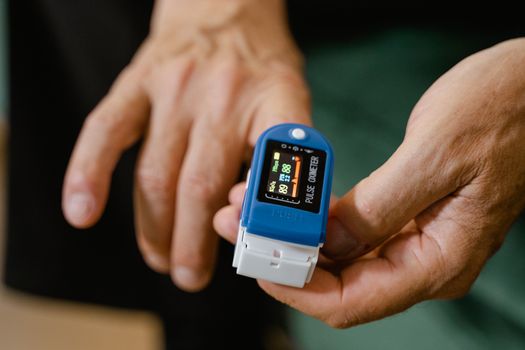
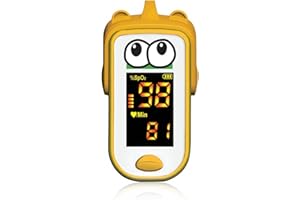
For On-the-Go Pediatric or Light Sports Monitoring: Finger Pulse Oximeter for Kids
This device sits in a specific niche: portable, quick readings for smaller patients or athletes in non-clinical settings.
Key Features & Professional Considerations
- Portability & Inclusion: Comes with a neck/wrist cord and batteries. It’s a grab-and-go solution for a kit bag.
- LED Display: Designed for clear reading in various lighting conditions.
- “Medical Grade” Claim: While marketed as such, pros should note it’s best used for general wellness monitoring and trend observation, not for making critical medical decisions. It’s a supplementary tool.
- Use Case: Imagine a cross-country coach wanting to quickly check an athlete’s recovery pulse after an interval, or a pediatric home health aide tracking a child’s baseline stats during an activity.
The Bottom Line: A niche tool that solves a specific portability problem. Its utility is in its convenience for non-critical, on-the-spot readings.
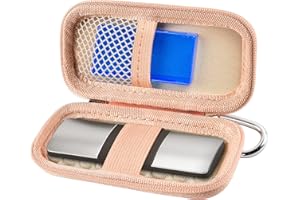
The Accessory Essential: Heart Monitor Case for KardiaMobile 6L
This isn’t a monitor itself, but a critical accessory for one of the most popular personal ECG devices on the market. For professionals who recommend or use the KardiaMobile 6L, protecting that investment is paramount.
Key Features & Professional Considerations
- Precision Fit: Designed specifically for the KardiaMobile 6L, ensuring a snug fit that doesn’t add bulk.
- Essential Protection: Shields the device’s electrodes from lint, scratches, and moisture, which is crucial for maintaining accurate readings.
- Cost-Effective Insurance: For under $20, it protects a device that costs over $100. It’s a no-brainer for device longevity.
- Professional Recommendation: If you are a pro advising clients on home monitoring, recommending this case shows attention to device care and long-term usability.
The Bottom Line: The definitive accessory for KardiaMobile 6L users. Its massive review base confirms it delivers on its simple, vital promise: protection.
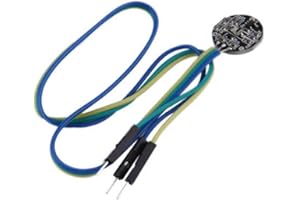
For Developers & Tinkerers: DEVMO Pulse Sensor Module
This is the raw ingredient for the tech-savvy professional. It’s not a consumer product but a component for building custom heart rate monitoring solutions.
Key Features & Professional Considerations
- Arduino & Raspberry Pi Compatible: Integrates directly with popular microcontroller platforms, offering flexibility for custom code and data handling.
- Provides Raw Signal Output: Delivers analog (and sometimes digital) PPG signals, allowing developers to apply their own filtering, algorithms, and analysis for heart rate and pulse waveform.
- Cost-Effective Development Tool: At this price point, it’s an accessible way to prototype heart-rate sensing without significant investment.
- Use Case: Perfect for creating a custom biometric feedback system for a research study, prototyping a novel wearable, or as an educational tool in a biomedical engineering lab.
The Bottom Line: A powerful component in the right hands. It offers no user interface—its value is unlocked through programming and integration.
Comparison Table: Which Heart Rate Tool is Right for Your Pro Needs?
| Product | Price | Star Rating | Reviews | Best For | Key Feature |
|---|---|---|---|---|---|
| Finger Pulse Oximeter (Kids) | $44.98 | 3.6 ★ | 10 | Portable spot-checks (SpO2/Pulse) | All-in-one portability, kid-friendly |
| KardiaMobile 6L Case | $18.99 | 4.5 ★ | 10,910+ | KardiaMobile 6L device protection | Established Bestseller, Precision fit & protection |
| DEVMO Pulse Sensor | $19.99 | 3.2 ★ | 19 | Custom tech builds & prototyping | Raw PPG data output for Arduino/RPi |
How to Choose: A Pro’s Decision Framework
Your choice here isn’t about the “best” monitor in general; it’s about the right tool for a specific professional task.
- Define the Primary Use Case: Is it for field-based wellness monitoring, protecting a key diagnostic device, or gathering biometric data for a custom application? Let the task lead the tool.
- Consider the Data Endpoint: Who or what is using the data? A coach’s eye, a medical chart, or a custom software algorithm? This dictates the needed level of integration and accuracy.
- Evaluate Longevity & Support: For critical accessories (like the case), lean on the weight of community evidence (massive review counts). For components and new devices, factor in your own ability to troubleshoot or validate the data.
- Balance Cost vs. Function: The cheapest component ($20 sensor) requires the highest additional investment (development time). The portable oximeter offers turnkey operation for a specific, limited function. The accessory is pure risk mitigation for an existing asset.
Ready to Choose?
Each of these tools serves a distinct professional purpose. Whether you’re safeguarding a vital piece of equipment with the bestselling KardiaMobile case, equipping yourself for mobile checks with the portable oximeter, or sourcing components for innovation with the pulse sensor, clicking through to see current pricing and the full spectrum of user reviews is the final, crucial step.
Click on any product link above to view detailed specs, latest pricing, and user feedback on Amazon.
Related Posts