Home Health Monitoring: Smartwatch vs. Dedicated Oximeter Compared
Looking to keep a closer eye on your health and fitness from the comfort of home? With so many gadgets available, choosing the right tool can be overwhelming. Do you need the all-in-one convenience of a smartwatch, or the focused simplicity of a dedicated device? Today, we break down two popular and affordable options for home users: a feature-packed fitness tracker and a straightforward pulse oximeter. Whether you’re tracking daily activity, monitoring recovery, or just want peace of mind, understanding the difference is key to making a smart purchase that fits your lifestyle and budget.
At a Glance: Side-by-Side Comparison
Before we dive into the details, here’s a quick snapshot of how these two health-monitoring devices stack up. This table will help you quickly see their core differences in purpose, design, and functionality.
| Feature | Fitness Tracker Smart Watch | Oxygen Meter Finger Monitor |
|---|---|---|
| Image |  |
 |
| Primary Use | Comprehensive daily activity & health tracking | Spot-checking blood oxygen (SpO2) & pulse rate |
| Key Features | 24/7 HR, SpO2, sleep tracking, AMOLED screen, step counter, waterproof, smartphone notifications | Dedicated SpO2 and pulse readings, portable, low power consumption |
| Display | 1.10″ Color AMOLED Touchscreen | Small LED display (on device) |
| Battery Life | Multiple days (varies with use) | Extremely long (uses button cells) |
| Best For | Holistic wellness, fitness motivation, all-day data | Specific, clinical-style measurements, travel, simplicity |
| Price | Check Current Price | $23.99 |
| Rating | 4.6 stars (208 reviews) – Well-Reviewed | 4.6 stars (95 reviews) – Newer with Promising Ratings |
| View Product | 👉 Check Price on Amazon | 👉 Check Price on Amazon |
Product Deep Dive: The All-Day Fitness Companion
Fitness Tracker with 24/7 Heart Rate, Sleep & Blood Oxygen Monitor
This smartwatch is a well-reviewed workhorse in the budget-friendly fitness tracker category. With over 200 reviews holding a strong 4.6-star average, it has established itself as a reliable choice for users who want a wide array of health data without a hefty price tag.
Think of this as your personal health dashboard on your wrist. It’s designed for continuous monitoring, painting a picture of your overall wellness throughout the day and night.
Why it stands out for home users:
- The Complete Picture: It doesn’t just track steps. The 24/7 heart rate monitoring, blood oxygen (SpO2) sensing, and detailed sleep analysis (tracking light, deep, and REM cycles) work together to give you insights into your fitness, stress levels, and recovery.
- Beautiful and Usable: The 1.10” AMOLED screen is a significant upgrade. Colors are vibrant, blacks are deep, and it’s easy to read indoors and out. It makes checking your stats a pleasant experience.
- Life-Proof Design: With IP68 waterproofing, you can wear it in the rain, wash your hands, or even swim with it. It’s built to be part of your daily life, no matter what that entails.
- Smart Connectivity: Get call, text, and app notifications right on your wrist. It helps you stay connected without constantly pulling out your phone—a simple feature that adds immense daily value.
Points to consider: It requires regular charging (every few days to a week). The sheer amount of data can be overwhelming if you only want one or two specific metrics.
Product Deep Dive: The Specialist Tool
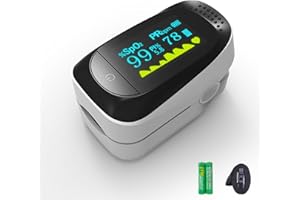
Oxygen Meter Finger Monitor (Pulse Oximeter)
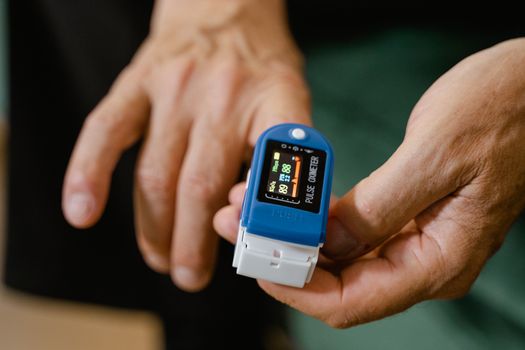
This device represents the other end of the spectrum: focused, simple, and clinical. As a newer product with promising early ratings, it has quickly garnered a 4.6-star score from nearly 100 users, indicating it performs its specific job very well.
Forget bells and whistles. This is a precision instrument for one primary task: accurately measuring your blood oxygen saturation (SpO2) and pulse rate in a matter of seconds.
Why it’s a compelling choice:
- Simplicity & Accuracy: It does one thing and aims to do it exceptionally well. For those who need or want to track SpO2 levels specifically—whether for respiratory wellness, altitude acclimation, or general peace of mind—a dedicated device is often perceived as the gold standard for quick spot checks.
- Zero Daily Hassle: Its low power consumption means the button batteries last for ages. There’s no charging cable, no daily wear, no pairing with apps. You use it when you need it, and it’s instantly ready.
- Ultra-Portable: Its small, lightweight shape makes it incredibly easy to carry in a bag, glove box, or drawer. It’s perfect for travelers, seniors, or anyone who wants a quick-check tool without any commitment.
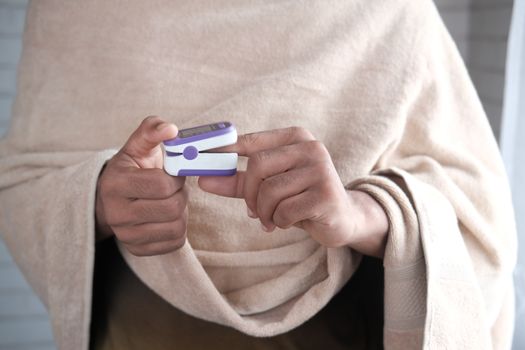
- Easy for Anyone: The operation is straightforward: clip it on your finger, press the button, and read the numbers. This makes it an excellent tool for multi-generational households.
Points to consider: It provides a snapshot, not a continuous story. You won’t get trends or overnight data. It lacks any additional fitness or smart features.
Which is Best for You? Making the Right Choice
Your lifestyle and goals should guide your decision. Let’s break it down.
Choose the Fitness Tracker Smart Watch if…
- You love data and want to see trends in your heart rate, sleep, and activity over time.
- Your goal is holistic: improving fitness, sleep, and daily activity levels.
- You want a wearable that also handles notifications, so you can be less glued to your phone.
- You prefer an “always-on” approach to health monitoring.
- You value a vibrant, interactive display.
Choose the Oxygen Meter Finger Monitor if…
- You are primarily interested in occasionally checking your blood oxygen levels and pulse with high confidence in the device’s focus.
- You want the simplest possible tool with no learning curve, charging, or setup.
- You need something highly portable for travel or to keep in multiple locations (home, office, car).
- You are purchasing for an older family member who might be overwhelmed by a smartwatch.
- You want a dedicated, clinical-style device to supplement other health routines.
🏆 Our Top Recommendation for Most Home Users
For the vast majority of people looking to enhance their daily wellness, the Fitness Tracker Smart Watch offers far greater long-term value. Its well-reviewed status gives confidence in its reliability, and the breadth of features—from sleep tracking to waterproofing—makes it a versatile tool that can adapt to your changing health and fitness goals. It’s an investment in a healthier lifestyle, not just a single metric.
The Finger Oximeter is a fantastic specialist tool and a worthwhile purchase if you have a specific, focused need for it, or want it as a supplemental device.
Summary and Final Thoughts
Navigating home health tech doesn’t have to be complicated. It boils down to this:
- For comprehensive, daily insights and motivation, the smartwatch is your all-in-one companion.
- For specific, on-demand spot checks with ultimate simplicity, the dedicated pulse oximeter excels.
Both are highly rated and represent excellent value in their respective categories. By understanding what each device is truly designed for, you can invest in the tool that will seamlessly fit into your life and actually be used.
Ready to choose? Click below to get started.
Take the next step in managing your health from home. Whether you opt for the versatile smartwatch or the specialized oximeter, you’re making a proactive choice for your well-being.
Related Posts