Diving Into Heart Health Tech: A Beginner’s Guide to Two Top Accessories
Ever felt a little lost when browsing for health tech gadgets? You’re not alone. The world of heart rate monitors and fitness tech is vast, with products ranging from simple accessories to complex DIY components. For a beginner, it’s easy to get confused by the options. You might be looking for something to protect your investment or a tool to start a fascinating tech project, but end up staring at pages of products that seem similar but are worlds apart.
Today, we’re cutting through the noise by comparing two popular but very different items in the “Heart Rate Monitor” category on Amazon. Our goal? To save you time, clarify the confusion, and help you find the perfect accessory for your specific needs—whether you’re a tech hobbyist or someone focused on personal health tracking.

Side-by-Side Comparison: At a Glance
First, let’s lay out the facts. The table below shows you the core details of our two contenders. This is your cheat sheet to see the fundamental differences in price, purpose, and public reception at a single glance.
| Product & Image | Price | Star Rating (Reviews) | Best For |
|---|---|---|---|
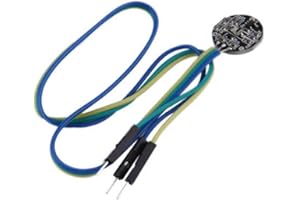 DEVMO Pulse Sensor A DIY sensor component for projects |
$19.99 |
3.2 ★ (19 reviews) New Product |
Makers, students, and tech hobbyists building custom heart rate projects with Arduino or Raspberry Pi. |
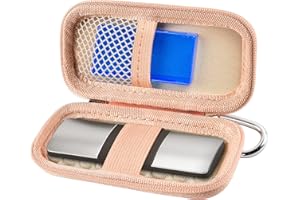 KardiaMobile Protective Case A protective case for a specific medical device |
$18.99 |
4.5 ★ (10,910 reviews) ✓ Established Bestseller |
Owners of the AliveCor KardiaMobile 6L device who want durable, colorful protection for their ECG monitor. |
Product Deep Dive: Strengths and Considerations
Now, let’s explore each product in more detail. Understanding what you’re really buying is the key to a satisfying purchase.
1. DEVMO Pulse Sensor: For the Tech Tinkerer
This isn’t a ready-to-use monitor; it’s a component. The DEVMO Pulse Sensor is a small board that detects blood flow changes in your fingertip or earlobe. Its purpose is to feed raw heart rate data into microcontrollers like Arduino or Raspberry Pi.
Who it’s perfect for: Imagine you’re a student learning about biometrics, a maker creating a stress-tracking desk toy, or a developer prototyping a novel fitness app. This sensor is your building block. It’s affordable and opens a world of project possibilities.
Pros
- Great for Learning: Excellent entry point into the world of hardware programming and biometric sensing.
- Project Flexibility: Can be integrated into countless custom creations, from wearables to interactive art.
- Low Cost of Entry: For under $20, you get a functional sensor to experiment with.
Cons
- Not Plug-and-Play: Requires coding, wiring, and knowledge of Arduino/Raspberry Pi ecosystems.
- Limited Reviews: As a newer product, there’s less community feedback to guide troubleshooting.
- Accessory-Only: You need other components (microcontroller, cables, software) to make it work.
2. KardiaMobile Protective Case: For the Health-Conscious User
This product is straightforward: it’s a protective case designed specifically for the AliveCor KardiaMobile 6L, a FDA-cleared personal ECG device. If you own that specific monitor, this case is like buying a high-quality phone case—it protects your valuable device from scratches, drops, and daily wear.
The Social Proof Speaks Volumes: With a staggering 4.5 stars from over 10,900 reviews, this isn’t just a product; it’s a community-validated essential for KardiaMobile owners. That level of feedback indicates it fits perfectly, does its job well, and satisfies a clear need.
Pros
- Proven Quality & Fit: Massively positive reviews confirm it works as advertised for the KardiaMobile 6L.
- Essential Protection: Safeguards a sensitive and expensive medical device from damage.
- Simple and Effective: No setup required. Just snap it on and go.
- Adds Personal Style: Available in colors like pink to personalize your health tech.
Cons
- Very Specific Use: It is only useful if you own the exact KardiaMobile 6L device.
- Just a Case: It doesn’t add any new functionality to the monitor itself.
Which is Best For You? Making the Right Choice
These two products serve entirely different masters. Your choice boils down to a simple question: What is your primary goal?
Choose the DEVMO Pulse Sensor if…
- You are a hobbyist, student, or programmer interested in DIY electronics.
- Your project involves building a custom device that needs heart rate input.
- You have (or want to learn) experience with Arduino, Raspberry Pi, or similar platforms.
- You’re comfortable with a product that has fewer reviews and embraces a bit of a learning adventure.
Choose the KardiaMobile Protective Case if…
- You already own an AliveCor KardiaMobile 6L personal ECG device.
- You want to protect your investment from scratches, dings, and daily wear.
- You value proven products with immense social proof from thousands of users.
- You want a simple, zero-hassle accessory that delivers on a single promise: protection.
There is no “better” product overall—only the right product for your situation. Buying the sensor when you need a case will leave you with a confusing component. Buying the case without the specific monitor is useless.
Final Thoughts and Your Next Step
Navigating tech as a beginner is all about matching the tool to the task. We’ve demystified two items that share a category but serve divergent paths: one leads to the workshop of creation, the other to the peace of mind of protection.
Remember: For DIY projects and learning, the DEVMO sensor is a fascinating starting point. For safeguarding a precise medical device you already rely on, the KardiaMobile case is the community-championed solution.
Ready to Choose?
Click the button below that matches your need to check the latest price, see more color options, and read the full reviews on Amazon. Make your choice with confidence.
Note: The KardiaMobile is a medical device. Always consult with a healthcare professional for heart health monitoring and interpretation of data.
Related Posts